
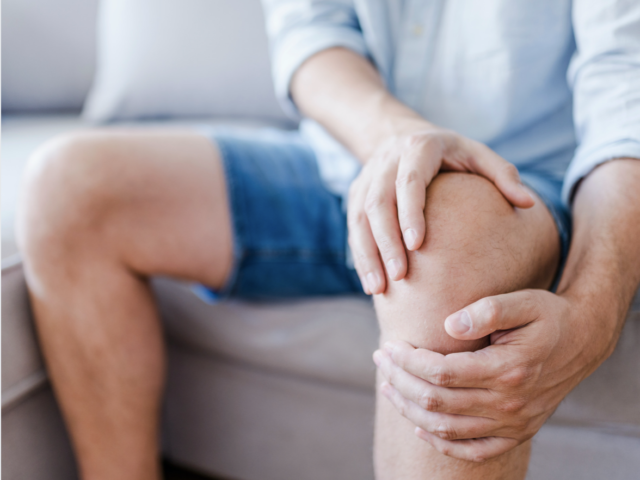
Knee arthritis can really knock the wind out of your sails, making it tough to get around and enjoy life like before. It’s one of the top reasons people face daily pain and feel stuck. But here’s a bright side: plenty of powerful ways exist to ease the ache and keep moving. From simple lifestyle hacks to serious medical help, chances to feel good again show up all over the place. When pain doesn’t quit, this guide hands you the best tricks to tackle knee arthritis head-on. Stick with it—what’s inside could flip your whole day for the better.
Understanding Knee Arthritis
Before delving into treatment options, it’s essential to understand the nature of knee arthritis. Arthritis refers to inflammation of the joints, and in the case of knee arthritis, this inflammation occurs in the knees. The most common types of knee arthritis are osteoarthritis and rheumatoid arthritis.
- Osteoarthritis: This is the most prevalent form of knee arthritis and typically develops with age or as a result of wear and tear on the joints.
- Rheumatoid Arthritis: Unlike osteoarthritis, rheumatoid arthritis is an autoimmune disorder where the body’s immune system attacks the joints, leading to inflammation and damage.
Both types of knee arthritis can cause pain, stiffness, swelling, and reduced mobility. However, the treatment approach may vary depending on the specific type and severity of arthritis.
Effective Treatment Options
1. Lifestyle Modifications
Making certain lifestyle changes can help manage knee arthritis pain and improve overall joint health:
- Maintain a Healthy Weight: Excess weight puts additional strain on the knees, exacerbating arthritis symptoms. Losing weight through a combination of diet and exercise can reduce pain and improve mobility.
- Regular Exercise: Low-impact exercises such as swimming, cycling, and walking can help strengthen the muscles surrounding the knee joint and improve flexibility. Physical activity also promotes weight loss and reduces inflammation.
- Joint Protection: Avoid activities that put excessive stress on the knees, such as running or jumping. Using assistive devices like knee braces or canes can provide additional support and reduce discomfort during daily activities.
2. Medications
Several medications can help alleviate knee arthritis pain and inflammation:
- Over-the-Counter Pain Relievers: Nonsteroidal anti-inflammatory drugs (NSAIDs) like ibuprofen and naproxen can provide temporary relief from arthritis pain and reduce inflammation.
- Prescription Medications: In cases of severe pain, your doctor may prescribe stronger pain relievers or corticosteroids to manage inflammation.
- Disease-Modifying Antirheumatic Drugs (DMARDs): For individuals with rheumatoid arthritis, DMARDs can help slow the progression of the disease and prevent further joint damage.

3. Physical Therapy
Physical therapy plays a crucial role in managing knee arthritis by improving strength, flexibility, and range of motion. A physical therapist can design a personalized exercise program tailored to your specific needs and goals. Therapy may include:
- Strength Training: Targeting muscles around the knee joint can help stabilize the joint and reduce pain.
- Flexibility Exercises: Stretching exercises can improve joint flexibility and reduce stiffness.
- Aquatic Therapy: Exercising in water provides buoyancy and reduces the impact on the joints, making it an excellent option for individuals with arthritis.
4. Injections
In some cases, injections may be recommended to relieve knee arthritis pain and inflammation:
- Corticosteroid Injections: These injections deliver powerful anti-inflammatory medication directly into the knee joint, providing rapid pain relief.
- Hyaluronic Acid Injections: Also known as viscosupplementation, these injections help lubricate the joint and reduce friction, alleviating pain and improving mobility.
5. Surgery
For individuals with advanced knee arthritis that doesn’t respond to conservative treatments, surgery may be necessary:
- Arthroscopy: In this minimally invasive procedure, a surgeon inserts a tiny camera into the knee joint to assess the damage and make repairs.
- Partial or Total Knee Replacement: In severe cases, where the joint is significantly damaged, partial or total knee replacement surgery may be recommended to replace the damaged joint with an artificial implant.
Conclusion
Managing knee arthritis pain requires a multifaceted approach that combines lifestyle modifications, medications, physical therapy, injections, and, in some cases, surgery. By working closely with healthcare providers and adopting a proactive approach to treatment, individuals with knee arthritis can experience significant relief and improve their quality of life. If you found this article useful, you may also visit knee arthritis treatment singapore to read more about managing knee arthritis pain.

Advertisement

Advertisement

Sponsor